How Should I Prepare for my Anaesthetic?
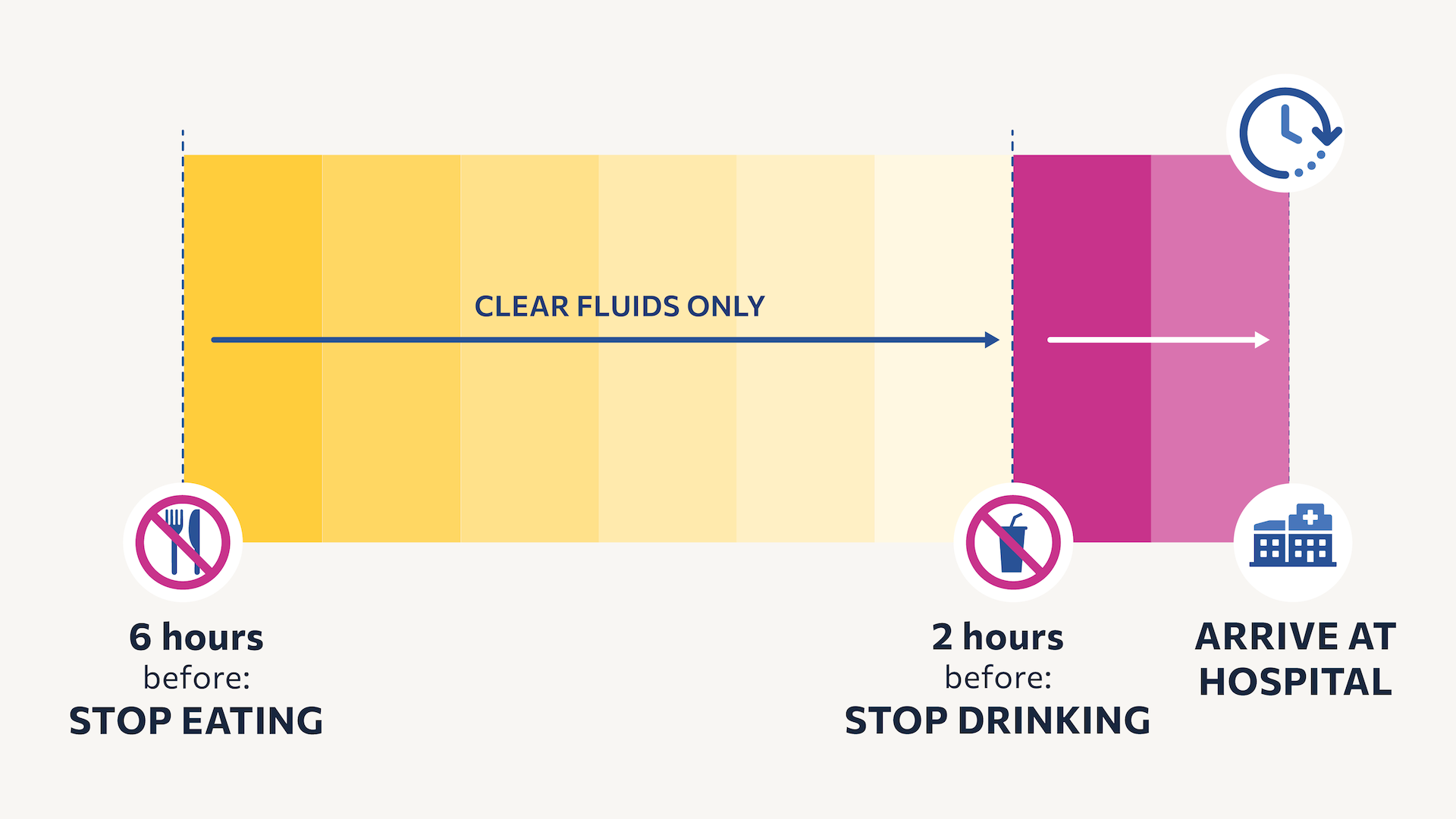
What to Eat and Drink and When
Following the fasting rules before your operation is one of the most important things you can do to keep yourself safe. Here's a simple guide to what's allowed and when.
Get Yourself Ready
Good preparation helps your anaesthetist keep you safe — and helps you feel better, sooner, after surgery.

The fitter you are, the better your body will cope with an anaesthetic and recover afterwards.
Even gentle, regular exercise makes a real difference — every small increase in activity helps prepare your body, and it's never too late to start.
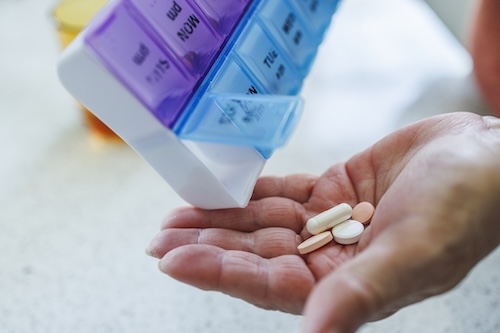
At your pre-assessment appointment, the team will review all your medications and give you written instructions about what to continue, what to stop, and when.
If anything is unclear, don't be afraid to ask — the team will be happy to go through it with you.
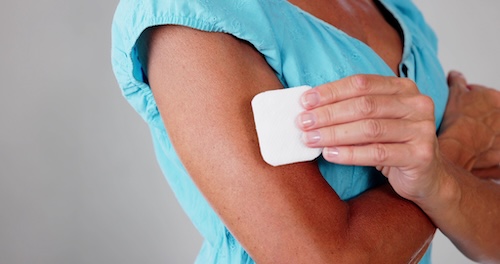
Smoking irritates the lining of your lungs and increases the risk of breathing problems during your anaesthetic and chest infections afterwards.
The good news is your body starts to recover quickly — even a few smoke-free days before surgery can lower your risk and improve healing.
Preparing for Your Anaesthetic
-
Staying active, stopping smoking, and managing long-term health conditions all help your body cope better with anaesthesia and recover more smoothly afterwards.
-
Following instructions about eating and drinking before surgery is essential — your stomach must be empty when you have an anaesthetic.
-
Bring a list of all your current medications to your pre-assessment appointment — this helps the team plan your anaesthetic safely and give you clear instructions about what to take beforehand.